WHERE BEAR CANISTERS ARE MANDATORY IN THE US PARKS & FOREST
Conveying a bear canister is something that hikers need to do in numerous US National Parks and most territories of the California Sierra.
The overwhelming hard sided canisters will in general command the rundown of affirmed bear safe canisters since they have a more extended history exhibiting their adequacy. The issue is that they're massive and bulky, making it enticing to forego it for a lighter non-endorsed one.
Try not to do it!
Officers may solicit you to give evidence from your bear canister. In the event that you don't have an endorsed compartment, you will probably be advised to leave the trail and given an exorbitant reference. Implementation of this law is for a valid justification, be that as it may.
A bolstered bear is a dead bear
The goal among park officers is to shield bears by keeping them from acquiring human nourishment and trash. At the point when bears partner people with nourishment, the outcome can be deplorable. The bear can wind up forceful with individuals in the quest for nourishment. Officers are obliged to murder such "issue bears" for the wellbeing of people.
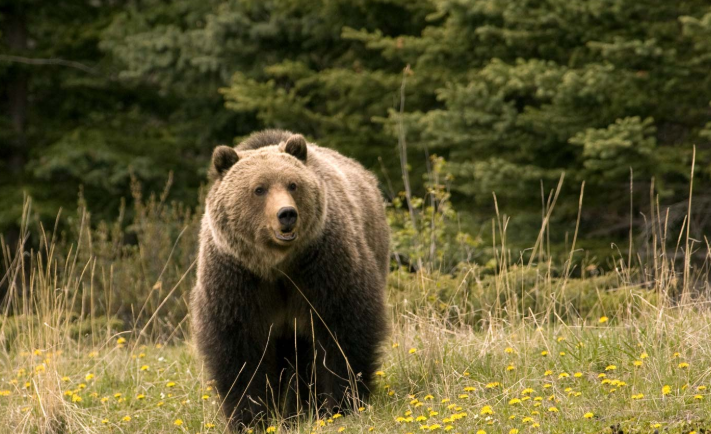
Along these lines, putting away nourishment and waste in an endorsed canister and following the best possible medium-term stockpiling techniques is the best strategy for keeping bears from getting your nourishment and sparing them.
Affirmed Bear Resistant Food Canisters (BRFC)
Guidelines differ between National Parks and National Forests on where bear canisters are required and which ones are endorsed. The Interagency Grizzly Bear Committee and the Sierra Interagency Black Bear Group test bear-safe nourishment compartments and give direction on their adequacy; be that as it may, neither one of the agencies is in charge of figuring out which holders are allowed. Presently, each park the executives region chooses which nourishment stockpiling system and bear canister items are permitted in their general vicinity.
Some park workplaces lease bear canisters to hikers remaining medium-term. The canisters are accessible for lease at staffed wild license stations. A few spots lease the BRFC for nothing while others have an every day expense.
Where Bear Resistant Canisters are Required
As referenced, each park region chooses what bear canisters are allowed. This data changes as often as possible. You should check the recreation center region site for the most recent necessities, get areas, and charges.
Here is the most present data (as of March 2017) on where, what, and when bear-safe compartments are required.
- The Frozen North
- Doors of the Arctic National Park – every single treeless zone; canister lease is free.
- Icy mass Bay National Park – every single treeless zone; canister lease is free.
- Denali National Park – chose zones; canister lease is free.
- California
Sierra Wild, mutually worked by the National Park Service, U.S. Timberland Service and Bureau of Land Management, gives a review of permitted bear canisters in the Sierra and a diagram guide of where canisters are required in the Sierra.
Yosemite National Park – whole boondocks; day by day canister rental charge.
Sequoia/Kings Canyon National Parks – chose zones from May 1 – Oct 31; day by day canister rental charge.
Inyo National Forest – chose zones; day by day canister rental charge.
Lassen Volcanic National Park – whole boondocks from Apr 16 – Nov 30; day by day canister rental charge.
Colorado
Rough Mountain National Park – whole boondocks beneath treeline from May 1 – Oct 31; day by day canister rental charge at Estes Park Mountain Shop.
New York
The Adirondack Mountains Eastern High Peaks Wilderness – whole boondocks between Apr 1 – Nov 30; rentals accessible at numerous close by suppliers.
Washington
Ompic National Park – chose regions; every day canister rental charge at Wilderness Info Centers.
North Cascades National Park – chose regions from Jun 1 – Nov 15; canister rentals free at a few park office areas.
Wyoming
Fabulous Teton National Park – whole backwoods except if nourishment storage spaces are set up.
Tips For Using a Bear Canister
For the most part, you need to keep your bear canister on the ground in a region where it isn't noticeable to a passing bear. Find it in any event 50 feet from your dozing zone away from water sources. Canisters don't drift and are not totally watertight.
Nourishment Selection: Freeze dried/got dried out calorie-thick hiking nourishment that is industrially fixed in hindrance verification bundling is ideal.
Nourishment Packing: Maximize usable space in the holder by expelling any massive bundling from your nourishment. Utilize a needle or stick to cut a little opening on the top if there is overabundance air in the bundling.
Toiletries Packing: All scented things ought to be stuffed during the evening in the bear canister. Leave trivial items, for example, antiperspirant, cleanser, and cosmetics at home. Limit fundamental toiletries, for example, sunscreen, contact focal point saline arrangement, toothpaste, and bug splash by repacking in little reusable compartments. Powdered toothpaste saves money on weight and can be put away in a ziplock pack.
Night Storage: Ensure that the canister top is verified and store 50 feet from dozing zone. 12 PM snacker? Spot intelligent tape on the canister to help with finding it in obscurity.
Day Storage: Keep all the nourishment you don't plan to eat that day in the bear compartment. Convey the canister in your rucksack or lash it to the outside.
Dry orage: Use the canister to store resources that you would prefer not to hazard getting wet. Fording a stream? While most are not water tight (for submerged use), they work admirably of keeping precipitation out and shield touchy apparatus from unintentional falls during water intersections.
Other Use: Use the hard-walled canister as a stool at camp. For more in-depth information I highly recommend garcia bear canister.